How Game Provider Partnerships Shape Bonus Allocation Strategies at Established UK Online Gaming Platforms
Written by Rafael Coleman · Aug 25, 2026

How Game Provider Partnerships Shape Bonus Allocation Strategies at Established UK Online Gaming Platforms
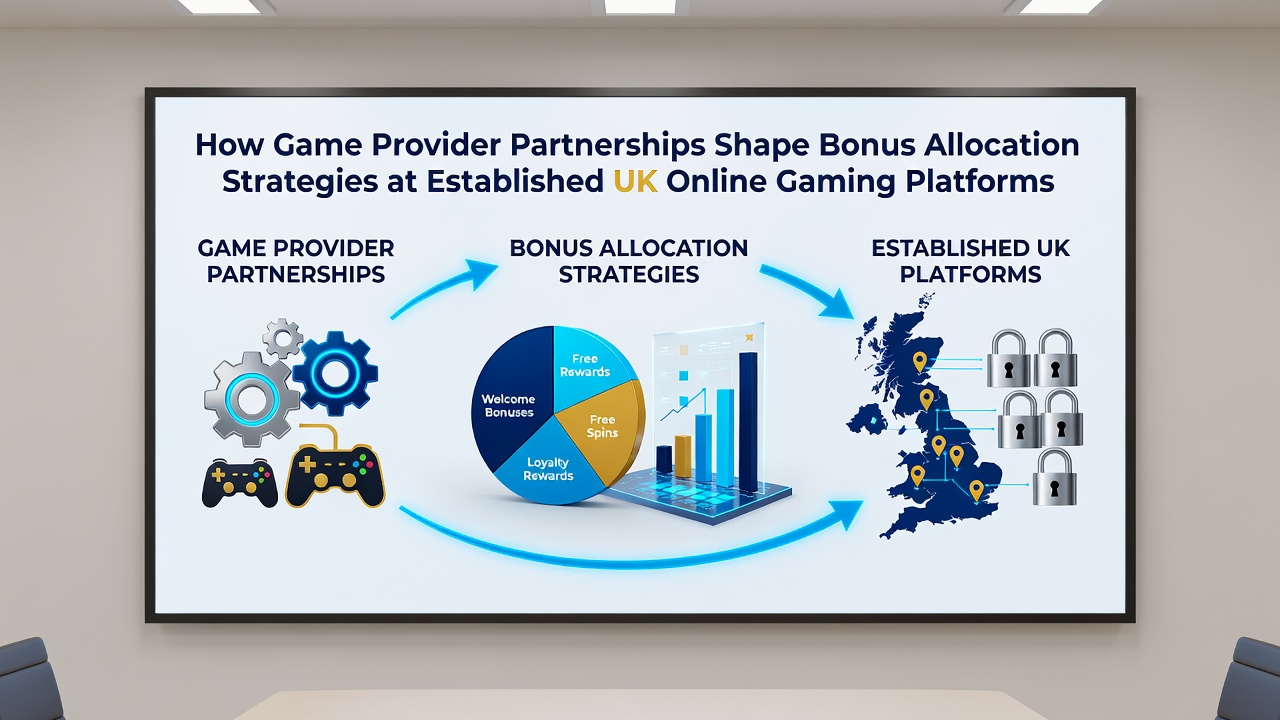
Established UK online gaming platforms rely on partnerships with game providers to determine how bonuses get allocated across titles, and these agreements often dictate which slots or table games receive promotional boosts at any given time. Data from industry reports shows that such collaborations influence everything from free spin distributions to deposit match percentages, since providers control the underlying mechanics like RTP rates and volatility levels that platforms use when designing offers.
Partnership Structures and Their Direct Effects
Game providers such as those specializing in slots or live dealer experiences negotiate contracts that specify bonus-friendly features, and platforms then allocate incentives accordingly to maximize player engagement with specific libraries. Observers note that when a provider releases a high-volatility title, platforms frequently tie larger bonus pools to that game because the mechanics support extended play sessions, whereas lower-volatility options might receive smaller, more frequent rewards to maintain steady traffic.
These arrangements extend beyond simple licensing fees, since providers often supply data analytics that help platforms predict which bonuses will perform best with certain demographics. Research from the American Gaming Association indicates that integrated reporting tools allow operators to adjust allocations in real time, shifting free spins or cashback percentages toward titles that align with seasonal trends or new releases.
Allocation Mechanisms in Practice
Bonus allocation starts with shared data streams between providers and platforms, where performance metrics guide decisions on how much promotional value gets assigned to each game category. For instance, one platform might direct 60 percent of its monthly bonus budget toward slots from a primary partner while reserving the rest for table games or specialty titles from secondary suppliers, based on historical redemption rates and average session lengths.
What's interesting is how these percentages fluctuate with provider updates, since a new mechanic introduced by a partner can trigger immediate reallocation to capitalize on novelty. Studies from the University of Nevada, Las Vegas gaming research center reveal that platforms using such dynamic models see higher retention when they prioritize bonuses around freshly launched content rather than older catalog items.
Regional Comparisons and Broader Industry Trends
Similar patterns appear in other markets, and data from the Australian Gambling Research Centre highlights how provider partnerships there shape bonus strategies with an emphasis on responsible play limits that echo approaches seen in established UK sites. Platforms often mirror these methods by tying bonus terms to provider-recommended play limits, which helps standardize offerings while meeting local expectations.
Yet the core difference lies in contract specifics, since UK-focused operators emphasize integration with local payment systems and compliance frameworks that providers must support. This leads to bonuses that favor games with built-in responsible gaming tools, such as session reminders or loss limits, which providers embed at the development stage.
Developments Expected by August 2026
By August 2026, analysts project further consolidation among major providers, which could streamline bonus allocation even more as fewer suppliers control larger portions of available content. Figures from the European Gaming and Betting Association suggest that platforms will increasingly use AI-driven insights supplied by partners to fine-tune offers, potentially directing more value toward cross-platform play that spans mobile and desktop environments.
Those who've tracked these shifts point out that emerging technologies like enhanced RNG certifications from providers will also affect how bonuses get structured, since verifiable fairness metrics allow platforms to promote certain games with higher confidence and larger incentive pools.
Conclusion
Game provider partnerships continue to serve as the foundation for bonus allocation at established UK online gaming platforms, shaping everything from initial offer design to ongoing adjustments based on performance data. External reports and academic findings demonstrate consistent links between these collaborations and the distribution patterns observed across the sector, with future developments likely to build on existing frameworks rather than replace them.